Every plant-based eater in Abu Dhabi has heard some version of the same question, usually from a well-meaning colleague staring at a bowl of lentils and rice, “but where do you get your protein?” It is a fair question, and an outdated one, because vegan and vegetarian high protein meals in Abu Dhabi are entirely achievable, just not by accident. The gap between a plant-based diet that leaves someone tired and under-fuelled and one that builds real strength usually comes down to a handful of overlooked details, not a fundamental limitation of the diet itself.
The problem is rarely a lack of plant protein sources. Lentils, chickpeas, tofu, tempeh, and quinoa all deliver serious amounts of protein per serving. The problem is portion sizing, combining incomplete proteins correctly, and the fact that most restaurant “vegetarian options” in Abu Dhabi are built around vegetables and starch, with protein treated as an afterthought rather than the foundation of the plate.
Why Most Vegetarian Menus Fall Short on Protein
Walk into most restaurants in Abu Dhabi and ask for the vegetarian option, and the result is usually a pasta dish, a vegetable curry, or a salad with a small scoop of hummus, food that is filling but light on actual protein. This is the core issue plant-based eaters run into locally, not a lack of ingredients, but a lack of menus designed around hitting a real protein target. A genuinely well-built plant-based plate should be evaluated against the same standard as any high-protein meal in Abu Dhabi, just built from different ingredients.
Building a Complete Plant Protein Plate
Most plant proteins are “incomplete,” meaning they are missing one or more essential amino acids on their own. The fix is simple, combine sources, rice with lentils, hummus with whole grain bread, tofu with quinoa, and the amino acid profile becomes complete. This is not a complicated rule, but it is one that gets ignored constantly on menus that serve a single plant protein source and call the dish balanced.
Tofu and Tempeh Done Properly
Tofu gets an unfair reputation for being bland, usually because it is under-seasoned and under-cooked rather than because of anything inherent to the ingredient. Pressed, marinated, and pan-seared or grilled, tofu and tempeh both deliver serious protein density and hold up well in Abu Dhabi’s warm climate as part of a cold or room-temperature meal, something not every protein source can claim.
Legumes as the Backbone, Not the Side Dish
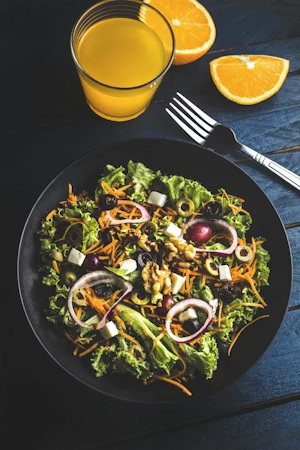
Lentils, chickpeas, and black beans deserve to be treated as a main protein source rather than a garnish scattered over a salad. A generous serving of any of these, combined with a whole grain, gets remarkably close to the protein content of a modest meat portion, at a fraction of the cost and with considerably more fibre. Readers building meals around this format will find useful structure in this complete guide to salads in Abu Dhabi, where legumes can replace or supplement animal protein without losing volume or satisfaction.
Wraps That Actually Deliver Protein
A wrap is one of the easiest formats to load with plant protein, hummus, falafel, grilled tofu, or a bean mix, all wrapped with vegetables and a whole grain base. The trick is avoiding the version that is 80 percent bread and sauce with a token scoop of protein in the middle. This guide to healthy wraps and salads in Abu Dhabi covers how to build this format so it actually earns the “high protein” label.
Plant-Based Muscle Building Is Possible, With Planning
Building muscle on a vegan or vegetarian diet is entirely achievable, athletes do it at the highest levels, but it requires more deliberate planning than an omnivorous diet, since plant protein sources tend to be less calorie-dense per gram of protein. Anyone training seriously on a plant-based diet should benchmark their intake against this guide to muscle gain meals in Abu Dhabi, then substitute plant sources while keeping the same total protein target.
Weight Management on a Plant-Based Diet
Plant-based eating is often associated with weight loss, and while the fibre and lower calorie density of whole plant foods can support that goal, it is easy to undercut progress with protein-light, carbohydrate-heavy meals that leave hunger unsatisfied. This guide to weight loss meals in Abu Dhabi applies just as directly to a plant-based approach, protein and fibre are still what keep hunger in check.
Recovering From Training Without Animal Protein
Post-workout recovery on a plant-based diet works the same way it does for anyone else, protein and carbohydrate within a reasonable window after training, just sourced from tofu, legumes, or a plant protein blend rather than chicken or whey. This guide to post-workout meals in Abu Dhabi lays out the timing principles that apply regardless of where the protein comes from.
Smoothies as an Easy Protein Boost
For plant-based eaters struggling to hit a daily protein number through whole food alone, a well-built smoothie with a plant protein source, nut butter, or seeds can quietly close the gap without another full meal. This guide to healthy smoothies, juices, and protein shakes in Abu Dhabi includes combinations that work well for plant-based protein needs specifically.
Starting the Day With Enough Protein
Breakfast is often the weakest meal of the day for plant-based eaters, toast and fruit might be satisfying but leave protein intake far behind where it needs to be by mid-morning. Building a savoury, protein-forward breakfast, tofu scramble, legumes, or a protein-added smoothie bowl, changes the trajectory of the whole day. Healthy breakfast delivery in Abu Dhabi can be built around exactly this kind of plant-forward, protein-first structure.
Blood Sugar Benefits of Plant-Based Eating
Whole plant foods, legumes, vegetables, and whole grains, tend to have a gentler effect on blood sugar than heavily processed alternatives, largely thanks to their fibre content. Readers managing blood sugar specifically alongside a plant-based diet will find useful overlap in this guide to diabetic-friendly, low-sugar meals in Abu Dhabi, much of what stabilises glucose also happens to be plant-based by default.
Feeding a Mixed-Diet Household
Plant-based eating rarely happens in isolation, most households include at least one person eating meat, which makes cooking separately for every meal impractical. Building shared meals where the protein source is simply swapped, lentils instead of ground meat, tofu instead of chicken, keeps everyone eating together without extra effort. This guide to healthy food for Abu Dhabi families covers exactly this kind of flexible, mixed-diet approach.
Ordering Plant-Based at the Office
Corporate catering in Abu Dhabi is notoriously weak on plant-based options, usually limited to a single vegetarian tray that runs out first. Teams with plant-based staff should specifically request corporate lunch delivery that includes a properly protein-dense vegan or vegetarian option, not just a vegetable side dish relabelled as the meal.
Finding a Kitchen That Takes Plant Protein Seriously
The biggest obstacle for plant-based eaters in Abu Dhabi is not a lack of ingredients, it is finding a kitchen willing to build a meal around plant protein with the same rigour applied to a chicken breast. Readers evaluating any delivery option against this standard should look at this guide on how to find healthy food in Abu Dhabi without compromising taste, a useful checklist regardless of whether the protein source is animal or plant.
Making It a Daily Habit, Not a Special Occasion
Plant-based eating tends to fail long-term when it is treated as an occasional choice rather than a default, since the effort of sourcing proper protein every single day adds up quickly without support. Nutrafi Kitchen builds macro-balanced vegan and vegetarian meals designed to hit real protein targets, not just vegetable-heavy plates dressed up as a full meal, delivered across Abu Dhabi with the nutrition breakdown shown upfront so there is no guessing involved.