
Ask a nutritionist to name the single most researched, most consistently recommended eating pattern in the world, and the answer is almost always the same, the Mediterranean diet. Decades of studies link it to lower rates of heart disease, better blood sugar control, and longer life expectancy. Yet ask someone in Abu Dhabi where to actually find it, delivered, fresh, and true to what the research is describing, and the search usually ends in confusion. Mediterranean diet meal delivery in Abu Dhabi has become one of those phrases people type into Google without much luck, because most menus wearing the label do not resemble the diet at all.
That gap between the reputation and the reality is worth closing, because the Mediterranean approach is not a fad, a detox, or a short-term plan. It is a way of eating built around olive oil, vegetables, whole grains, legumes, fish, and modest portions of lean meat, the kind of pattern that fits Abu Dhabi’s climate and lifestyle better than most people realise, once it is actually built correctly.
What Makes a Meal Genuinely Mediterranean
The word “Mediterranean” gets attached to a lot of menus that have almost nothing to do with the diet research actually describes. A plate of hummus next to a plate of deep-fried kibbeh is not a Mediterranean meal, it is Middle Eastern comfort food borrowing a healthier-sounding label. The real pattern is defined by a few consistent principles: olive oil as the primary fat, vegetables and legumes as the base of most meals, whole grains instead of refined ones, fish and seafood several times a week, and red meat kept occasional rather than daily.
Understanding this distinction matters because it changes what to actually look for on a delivery menu. A genuine healthy food restaurant in Abu Dhabi built around Mediterranean principles will list olive oil, grilled fish, and whole grains as core ingredients, not garnish, and the nutritional breakdown should reflect that balance rather than hiding it behind a regional name.
Why Abu Dhabi Is a Natural Fit for This Diet
There is a certain irony in how hard it can be to find real Mediterranean food in a region so close, geographically and culturally, to the cuisines that shaped it. Abu Dhabi’s food scene leans heavily toward either indulgent Levantine spreads or Western fast food, leaving a gap for the lighter, olive-oil-forward, vegetable-heavy pattern that made the diet famous in the first place.
For residents already working toward specific goals, this gap is a real loss. The Mediterranean pattern overlaps naturally with several of the outcomes people in Abu Dhabi are already chasing, including weight loss and long-term clean eating habits. It is not a restrictive diet built around cutting things out, it is built around adding in, more vegetables, better fats, and whole foods, which tends to make it far easier to sustain than the strict elimination diets that dominate the wellness conversation.
The Problem With Most “Mediterranean” Menus Locally
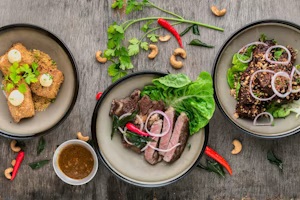
Search for Mediterranean food delivery in Abu Dhabi and most results are mezze platters, shawarma wraps, and grilled meat plates, food that borrows the flavours of the region without the nutritional structure that defines the actual diet. Fried falafel, oil-heavy dips served in far larger portions than intended, and bread served with every dish quietly turn a Mediterranean-inspired meal into something closer to a high-calorie indulgence than a balanced plate.
This is not to say those foods have no place, only that they are not what “Mediterranean diet” means in a nutritional sense. A better benchmark is found in how a proper healthy lunch in Abu Dhabi is built, protein, vegetables, and whole grains in sensible proportions, with fat used deliberately rather than as a frying medium.
Building a Real Mediterranean Plate
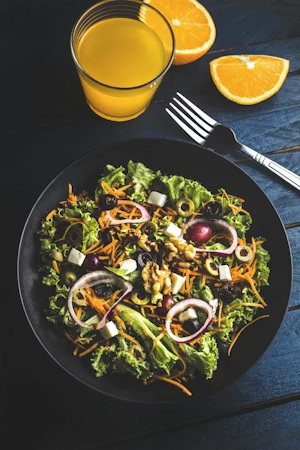
A properly constructed Mediterranean meal follows a simple ratio, roughly half the plate in vegetables, a quarter in lean protein or fish, and a quarter in whole grains or legumes, finished with a modest amount of olive oil rather than butter or refined seed oils. Salads play a bigger role in this pattern than in almost any other diet, not as a side dish, but as a meal in their own right.
Anyone building this kind of eating pattern at home, or evaluating whether a delivery menu qualifies, should look closely at how salads are constructed. This complete guide to salads in Abu Dhabi breaks down what separates a genuinely nutrient-dense salad from one that is mostly lettuce and dressing, a distinction that matters enormously for anyone trying to eat Mediterranean-style consistently.
Healthy Fat Is the Point, Not the Problem
One of the most common misunderstandings about the Mediterranean diet is treating it like a low-fat plan. It is almost the opposite, fat is central to the pattern, just the right kind. Olive oil, nuts, and fish provide the monounsaturated and omega-3 fats that account for much of the diet’s cardiovascular benefit, which is a very different philosophy from diets built around stripping fat out entirely.
That said, some readers specifically pursuing a lower-fat approach for medical or personal reasons may prefer a different structure, and that is a valid alternative path. For those readers, this guide to low-fat meals in Abu Dhabi lays out how that approach works, useful context for understanding how it differs from, rather than overlaps with, the Mediterranean model.
Mediterranean Eating for Muscle and Strength Goals
Fish, legumes, and lean cuts of meat are not typically what comes to mind when people picture a bodybuilding diet, but the Mediterranean pattern can absolutely support serious training when protein intake is calculated properly rather than left to chance. The key difference from a typical high-protein plan is simply where that protein comes from, more fish and legumes, less processed meat.
Anyone training seriously while trying to eat this way should cross-reference their intake against a resource built for that purpose, this guide to muscle gain meals in Abu Dhabi helps make sure protein targets are still being hit even when the source of that protein shifts toward a more Mediterranean profile.
Blood Sugar and the Mediterranean Advantage
Among all the diets studied for blood sugar management, the Mediterranean pattern consistently performs near the top, largely because it avoids the refined carbohydrates and sugar spikes that come with more processed eating patterns. Whole grains, legumes, and fibre-rich vegetables digest slowly, keeping glucose levels steadier across the day than a diet built around white bread and sugary sauces.
Residents managing blood sugar specifically will find a lot of overlap between this diet and the principles covered in this guide to diabetic-friendly, low-sugar meals in Abu Dhabi, two approaches that end up looking remarkably similar on the plate, even though they start from different goals.
Recovery Meals With a Mediterranean Twist
Post-workout nutrition is usually associated with protein shakes and chicken breast, but a Mediterranean approach to recovery, grilled fish, olive oil, whole grains, and vegetables, delivers the same recovery benefits with additional anti-inflammatory support from the healthy fats involved. This matters more than most people realise for anyone training regularly in Abu Dhabi’s heat, where inflammation and recovery time are already under extra strain.
Anyone looking to build this kind of recovery meal correctly should start with the fundamentals covered in this guide to post-workout meals in Abu Dhabi, then simply swap in Mediterranean-style protein and fat sources to get the anti-inflammatory benefit alongside the standard recovery nutrition.
Feeding the Whole Family the Mediterranean Way
One of the diet’s biggest practical advantages is how naturally it works for households with mixed ages and appetites. Unlike restrictive diets that require separate meals for adults and children, a Mediterranean spread, grilled protein, rice or grains, a big salad, and good bread, tends to satisfy everyone at the table without anyone feeling like they are eating a “diet meal.”
Families looking to shift toward this pattern without a complicated transition should look at this guide to healthy food for Abu Dhabi families, much of the flexibility it describes maps directly onto how a Mediterranean-style household actually eats day to day.
Mediterranean Options for the Office
Corporate catering in Abu Dhabi tends to default to the same handful of formats, sandwiches, wraps, or heavy rice-based platters, none of which reflect the lighter, vegetable-forward Mediterranean pattern that keeps energy stable through an afternoon of meetings. A well-built Mediterranean spread is actually one of the better options for office lunches, since it avoids the heavy, sleep-inducing carbohydrate load of more typical catering.
Teams looking to build this into a recurring lunch order should look at corporate lunch delivery options that can accommodate a Mediterranean-style rotation, grilled proteins, big salads, and whole grains, instead of defaulting to the same wrap-and-chips combination every week.
Starting the Day the Mediterranean Way
Mediterranean breakfasts look nothing like the cereal-and-toast pattern most people default to, leaning instead toward eggs, yoghurt, olive oil, tomatoes, and whole grain bread. It is a savoury, protein-and-fat-forward start to the day that tends to hold hunger off far longer than a sugar-heavy breakfast does.
For anyone wanting this kind of start without cooking it themselves each morning, healthy breakfast delivery in Abu Dhabi makes it straightforward to build a Mediterranean-style morning routine without the extra prep time most versions of this breakfast usually require.
Rounding Out the Day With Smoothies
While whole foods form the backbone of the Mediterranean diet, a well-built smoothie, fruit, nuts, and a bit of yoghurt, can fit naturally into the pattern as a snack or light meal extension, particularly on busy days when a full sit-down meal is not realistic.
These fit well alongside the diet’s other principles, and readers can find practical combinations in this guide to healthy smoothies, juices, and protein shakes in Abu Dhabi, an easy way to add extra fruit and healthy fat into a day without disrupting the overall structure of the diet.
Wraps and Salads as Everyday Staples
If there is one format that captures the spirit of Mediterranean eating better than any other, it is the combination plate, protein, vegetables, grains, and a light dressing, wrapped or served as a salad. These formats are naturally portable, easy to customise, and forgiving of substitutions, which makes them ideal for daily rotation rather than something reserved for special occasions.
For a closer look at how these staples are built well, this guide to healthy wraps and salads in Abu Dhabi is a useful reference point, most of what defines a good Mediterranean wrap or salad overlaps directly with what already makes these formats successful on their own.
Finding the Real Thing, Delivered
The honest truth is that most delivery platforms in Abu Dhabi are not set up to serve the Mediterranean diet as researchers actually define it, they serve regional cuisine loosely inspired by it. Closing that gap requires seeking out a kitchen that treats the diet’s core principles, olive oil, whole grains, fish, and vegetables, as the standard rather than the exception.
Readers who want a broader sense of how to evaluate any healthy delivery option against this standard should start with this guide on how to find healthy food in Abu Dhabi without compromising taste, and for a daily-eating perspective, this look at the best healthy restaurant in Abu Dhabi for daily eating covers what consistency actually looks like once the novelty of a new diet wears off.
Making the Mediterranean Diet Sustainable
The reason the Mediterranean diet outperforms so many trendier alternatives in long-term studies is simple, it is enjoyable enough that people actually stick with it. There is no macro counting obsession, no long list of forbidden foods, just a consistent emphasis on real ingredients prepared simply. That sustainability is exactly what makes it worth the effort of finding, or building, a proper version of it in Abu Dhabi.
Nutrafi Kitchen builds macro-balanced meals around real ingredients, olive oil, fresh vegetables, whole grains, and quality protein, the same foundation the Mediterranean diet is built on, delivered fresh across Abu Dhabi. Anyone who wants to start eating this way without relearning how to cook from scratch can set up a weekly plan over WhatsApp and let the kitchen handle the rest.
For readers who want to pair this approach with a protein target, this guide to high-protein meals in Abu Dhabi is a natural next read, the two guides work well together for anyone building a complete, sustainable eating pattern rather than a short-term fix.