Open any food delivery app in Abu Dhabi and you will notice something odd after a few minutes of scrolling, dozens of well-reviewed brands with polished logos and appealing menus, but no address you could actually walk into, no dining room, no street-facing shopfront. Many of them are run from a cloud kitchen in Abu Dhabi, a professional kitchen built purely for delivery, and the model has quietly reshaped how a large share of the city eats, especially in the healthy food space where precise portions and fresh preparation matter more than ambience.
This guide explains what a cloud kitchen actually is, why the model has grown so quickly here, where it genuinely helps people eating healthily, and what to check before trusting any delivery-only kitchen with your meals, because the format is neither automatically better nor automatically worse than a traditional restaurant.
What a Cloud Kitchen Actually Is
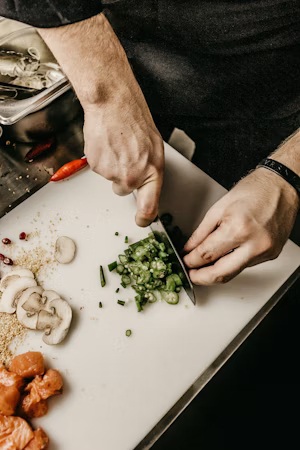
A cloud kitchen, sometimes called a ghost kitchen or dark kitchen, is a commercial kitchen that prepares food exclusively for delivery or pickup, with no dining area for guests. The same operation might run one brand or several, and the kitchen can sit in an industrial area where rent is far lower than a prime restaurant location. The food is real, the cooks are real, the only thing missing is the dining room.
Why the Model Took Off in Abu Dhabi
The city’s heat, its spread-out geography, and a population used to ordering in all push in the same direction. Delivery is not a luxury here, it is a normal part of everyday eating, a shift explored in this piece on how healthy food delivery is growing in Abu Dhabi. A kitchen that skips the cost of a prime restaurant location can put that money into ingredients, packaging, and delivery reliability instead.
Why It Suits Healthy Eating Particularly Well
Healthy meal delivery depends on exact portions, consistent recipes, and tight control over ingredients, which is easier to deliver from a kitchen designed around a single task than from a restaurant juggling dine-in service, takeaway, and a long menu at once. Calculated macros, labelled meals, and repeatable preparation are simply easier to standardise in a focused production environment.
How a Cloud Kitchen Differs From a Restaurant
The biggest practical difference is visibility. A restaurant lets you see the space, the staff, and the other customers before you decide to eat there, while a cloud kitchen asks you to trust what is on a screen. That is not a flaw, but it does mean the signals you rely on, reviews, transparency, and clear ingredient information, carry more weight. This guide to what makes a restaurant genuinely healthy in Abu Dhabi covers many of the same signals worth checking for either format.
The Genuine Advantages for Customers
Lower overhead often means better value, since less of what you pay goes toward rent and front-of-house staff. Menus can also be more focused and consistent, and delivery logistics tend to be better planned because delivery is the whole business rather than an add-on. For anyone comparing the real price of eating well against eating cheaply, this guide to affordable healthy meals in Abu Dhabi shows how that value looks in practice.
The Genuine Drawbacks Worth Knowing
You cannot walk in and judge a cloud kitchen by its dining room, and some operators run multiple brands from one kitchen, which can make it hard to tell how many genuinely different operations you are choosing between. Packaging, travel time, and reheating also affect how a meal arrives, which is why delivery quality varies far more between kitchens than most people expect.
How to Check a Cloud Kitchen Is Legitimate
Start with the basics: is the business licensed through Abu Dhabi’s food safety authority, ADAFSA, is a kitchen address or at least a clear business identity listed, and do customers describe the same quality across many weeks rather than one burst of reviews? A reputable operator is usually happy to answer questions about where and how food is prepared, and evasive answers are themselves useful information.
Reading Between the Lines of a Menu
A trustworthy delivery menu names its proteins, lists portion weights or macros, and shows how dishes are cooked. Vague descriptions like “chef’s special bowl” or “healthy plate” with nothing underneath deserve scepticism. This guide on finding healthy food in Abu Dhabi without compromising taste covers what a menu that genuinely stands behind its food tends to show.
Comparing a Cloud Kitchen With a Dine-In Healthy Restaurant
Neither format wins outright. A sit-down venue offers atmosphere, immediate fresh service, and a place to meet people, while a delivery-only kitchen offers convenience, precise portions, and often better pricing. This complete guide to healthy restaurants in Abu Dhabi is useful for the dine-in side of that comparison, so you can choose by situation instead of defaulting to one format.
What the Fast Food Comparison Actually Looks Like
Plenty of fast food chains also operate delivery-heavy models, so the real comparison is not cloud kitchen versus restaurant but ingredient quality versus speed alone. This macro comparison of healthy food versus fast food in Abu Dhabi and this look at fast food versus healthy delivery show what changes nutritionally when the kitchen is built around balanced meals rather than speed.
The Hidden Cost of the Convenience Default
Fast, cheap delivery is easy to default to, and the true cost shows up later in energy, health, and spending. This piece on the real cost of fast food in Abu Dhabi and this look at Abu Dhabi’s fast food culture explain why a delivery-only kitchen built for nutrition can be the better convenience option, not just the more virtuous one.
Ingredient Quality Is the Real Test
Because you never see the kitchen, ingredient quality has to be visible some other way, through clear labelling, short and recognisable ingredient lists, and honest descriptions of how food is prepared. This guide to natural ingredients versus fast food chemicals in Abu Dhabi covers what to look for beyond a clean-looking menu photo.
Watching the Sodium in Delivered Meals
Delivered food often travels well because it is well seasoned, and heavy seasoning usually means heavy sodium, which matters more in a hot, dehydrating climate. This piece on sodium, fast food, and Abu Dhabi’s desert climate explains why it is worth asking any kitchen about it.
Protein Should Be Easy to Verify
A kitchen confident in its meals will state protein per portion plainly. This standard, covered in this guide to high-protein meals in Abu Dhabi, is one of the quickest ways to separate a kitchen that measures its food from one that only markets it.
Where Delivery-Only Kitchens Fit Into Daily Life
For daily routines, a delivery kitchen often wins on practicality. Reliable lunch delivery near you and a consistent breakfast delivery option remove two of the day’s most skipped decisions, while teams can use corporate lunch delivery to apply the same consistency across an entire office.
Delivery for Visitors and Specific Neighbourhoods
Visitors often benefit most from the model, since healthy food delivery to hotels in Abu Dhabi brings predictable nutrition to a room without any local knowledge, and coverage in busy residential areas such as Al Reem Island shows how neighbourhood-level delivery reach works in practice.
Questions Worth Asking Any Kitchen Before You Order
Where is the food prepared, and is the business licensed locally? Are macros and ingredients shown for every meal? How is food packaged to survive the trip, and what happens if an order arrives wrong? Clear, quick answers to these four questions tell you far more about a kitchen than its logo, its rating, or the size of its discount banner.
Why Packaging and Delivery Time Matter More Than You Think
A meal can leave the kitchen perfectly prepared and still arrive disappointing if it was packed badly or travelled too long. Hot food needs containers that vent steam without going soggy, cold items need to stay properly chilled in Abu Dhabi’s heat, and dressings or sauces are best sent separately so nothing turns limp on the way. The better delivery-only kitchens treat packaging as part of the recipe rather than an afterthought, and you can usually tell within one or two orders whether a kitchen has thought this through.
Will Cloud Kitchens Replace Restaurants?
Almost certainly not, and the two formats are likely to keep coexisting because they serve different needs. People still want a place to celebrate, meet friends, and enjoy a meal without a screen involved, while the same people also want reliable, nutritious food on a Tuesday night without leaving the sofa. For anyone eating healthily, the practical lesson is to use each format for what it does best rather than treating either as the single right answer.
The Verdict on Cloud Kitchens
A cloud kitchen is a business model, not a quality guarantee. The best ones turn lower overhead into better ingredients and more reliable delivery, while the weakest use the format to hide thin menus and little accountability. Judge each kitchen on the same standards you would apply to a restaurant you could walk into, transparency, consistency, and real nutritional information. Nutrafi Kitchen delivers macro-balanced meals across Abu Dhabi with the nutrition shown upfront, so you can check the details yourself before your first order arrives.