The word “healthy” has become one of the most overused labels on a restaurant menu, slapped onto a fried chicken salad, a smoothie loaded with syrup, or a grilled dish drowning in a cream-based sauce, none of which would survive a genuine nutritional audit. Learning how to spot a genuinely healthy restaurant in Abu Dhabi means learning to look past the label entirely and check the details that actually determine whether a meal is what it claims to be.
This is not about becoming paranoid at every meal out, occasional indulgence is part of a normal, sustainable relationship with food. It is about recognising the difference between a kitchen genuinely built around real nutrition and one simply using the word “healthy” as a marketing choice, particularly for anyone eating out regularly as part of a health or fitness goal.
Red Flag: No Nutritional Information Available
A restaurant confident in its food’s actual nutritional value will usually make that information easy to find, calories, protein, and macros listed clearly rather than buried or absent entirely. This transparency is one of the clearest signals worth checking, and it is the same standard applied throughout this macro comparison of healthy food versus fast food in Abu Dhabi, if the numbers are hidden, there is usually a reason.
Red Flag: Everything Is Fried, Regardless of the Menu Description
A menu can describe a dish as “light” or “healthy” while the kitchen fries almost everything by default, a pattern that shows up constantly across Abu Dhabi’s dining scene. Checking preparation method rather than the description on the menu is one of the fastest ways to separate a genuinely healthy kitchen from one borrowing the language without the substance, the same distinction covered in this guide to high-protein meals in Abu Dhabi, where preparation method matters as much as the ingredient itself.
Red Flag: Sodium Nowhere in Sight
Excessive sodium is one of the easiest ways for a restaurant to make food taste satisfying without much culinary skill, and it rarely gets mentioned anywhere on the menu despite often exceeding a full day’s recommended intake in a single dish. This issue is explained in more detail in this piece on sodium, fast food, and Abu Dhabi’s desert climate, worth understanding before assuming a “grilled” dish is automatically low in sodium.
Red Flag: A Single Token Salad on an Otherwise Heavy Menu
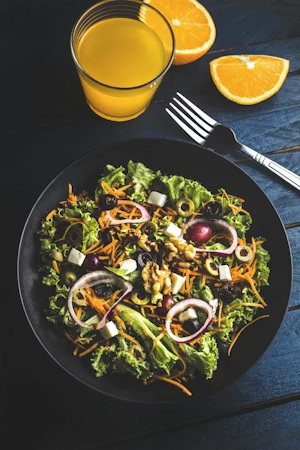
A restaurant with one lonely salad wedged between a menu full of fried and heavily sauced dishes is not a healthy restaurant, it is a regular restaurant with a token gesture toward health-conscious diners. A genuinely healthy kitchen builds an entire menu around the same standard, similar to what is covered in this complete guide to salads in Abu Dhabi, where the whole approach, not just one dish, reflects real nutritional thought.
Red Flag: No Consistency Between Visits
A dish that tastes different, richer, oilier, saltier, depending on the day or the chef on shift usually means portion and ingredient control are loose rather than deliberate, a sign that “healthy” is more of a suggestion than a standard in that kitchen. Genuine consistency is one of the clearest markers of a serious operation, the same reliability covered in this guide to the best healthy restaurant in Abu Dhabi for daily eating.
Green Flag: Ingredients Are Named, Not Vague
A menu that specifies grilled chicken breast, brown rice, and steamed broccoli is telling diners something useful, a menu that just says “protein bowl” or “healthy plate” without detail is leaving room to substitute cheaper, less nutritious ingredients without anyone noticing. This kind of specificity is exactly what to look for when trying to find healthy food in Abu Dhabi without compromising taste.
Green Flag: They Can Answer Questions About Preparation
Asking a server whether a dish is grilled or fried, how much oil is used, or what is actually in a sauce should get a clear, confident answer, not a shrug or a guess. A kitchen that trains its staff to answer these questions accurately is usually one that takes the underlying nutrition seriously, not just the marketing around it, a standard closely tied to the philosophy behind any genuine clean eating restaurant in Abu Dhabi.
Checking Gluten-Free Claims Specifically
“Gluten free” is one of the most misused labels in restaurant dining, often applied loosely without any real understanding of cross-contamination risk. Anyone relying on this label for a genuine intolerance should ask specific questions about shared equipment and preparation surfaces, the standard covered in more detail in this guide to gluten free meal delivery in Abu Dhabi.
Checking Sugar Claims on “Diet” or “Low Calorie” Items
Menu items marketed as diet-friendly sometimes carry just as much sugar as their regular counterparts, particularly in sauces, dressings, and drinks marketed toward health-conscious diners. This is worth checking directly rather than assuming, the same scrutiny applied throughout this guide to diabetic-friendly, low-sugar meals in Abu Dhabi.
Watching for the Mediterranean Label Used Loosely
Plenty of restaurants attach “Mediterranean” to a menu that is mostly fried mezze and heavy meat platters, borrowing the diet’s reputation without its actual structure. Readers who want to know what the real thing looks like should compare any restaurant claim against this practical guide to Mediterranean diet meal delivery in Abu Dhabi.
Applying the Same Standard to Burgers
Even a menu item as simple as a burger can be evaluated by the same standard, is the patty grilled or fried, is the bun whole grain or refined, is the side automatically fries. This guide to healthy burgers in Abu Dhabi covers exactly what to look for, a useful checklist to apply at any restaurant claiming a lighter version of a classic.
Comparing the Bill to What You Actually Get
Sometimes the clearest sign of a restaurant just borrowing the healthy label is a price that does not match the quality of ingredients being served, a premium charged for the word “healthy” rather than for anything genuinely different on the plate. This piece on the hidden cost of fast food in Abu Dhabi covers a related idea, that the real cost of a meal is about more than the number on the receipt.
Checking How Hotels Handle “Healthy” Menus
Hotel restaurants and room service menus are particularly prone to loose use of the healthy label, often applying it to a single dish surrounded by an otherwise indulgent menu built for tourists. Guests who want more reliable control should consider healthy food delivery to hotels in Abu Dhabi rather than trusting a hotel menu’s healthy section by default.
Vetting Options for Business Lunches
Business travellers and professionals eating out frequently for meetings do not always have time to interrogate a menu carefully, which makes choosing a trusted option in advance far more efficient than evaluating a new restaurant every single time. This guide to nutrition tips for Abu Dhabi business travelers covers how to build a shortlist of reliable choices rather than gambling on an unfamiliar menu each trip.
Building Corporate Trust With a Kitchen
Companies ordering corporate lunch delivery regularly should apply the same scrutiny to their catering partner as an individual diner would to a restaurant, checking for consistency, transparency, and ingredient quality over time rather than trusting a single good order.
Trusting a Kitchen That Shows Its Work
The clearest sign of a genuinely healthy restaurant is one that has nothing to hide, ingredients listed, preparation explained honestly, and macros available without having to ask twice. Nutrafi Kitchen operates on exactly this standard across Abu Dhabi, full nutritional transparency on every meal, so diners never have to guess whether “healthy” on the menu actually means healthy on the plate.