Salads in Abu Dhabi have evolved far beyond the basic side dishes of the past. Today’s salad landscape spans everything from protein-packed fitness meals to affordable everyday options, reflecting the city’s growing health consciousness and diverse culinary scene. Whether you’re seeking substantial protein salads to support fitness goals, budget-friendly options for regular consumption, or simply fresh, nutritious meals, understanding what makes quality salads and where to find them can significantly enhance your dining experience.
This comprehensive guide explores the salad scene in Abu Dhabi, covering protein-focused options for active lifestyles, genuinely healthy choices that deliver nutrition, affordable alternatives that don’t compromise quality, and practical guidance for choosing salads that meet your specific needs.
Understanding Modern Salads: Beyond Lettuce and Tomatoes
The concept of salads has transformed dramatically in Abu Dhabi’s food scene. What was once relegated to appetizer status or afterthought side dishes has become a legitimate meal category capable of serving as primary nutrition source.
The Evolution of Salads in Abu Dhabi
Traditional perceptions viewed salads as diet food, restrictive, unsatisfying, and primarily chosen out of obligation rather than desire. This outdated view kept many people from discovering that properly constructed salads can be simultaneously nutritious, delicious, and genuinely satisfying.
Modern salads in Abu Dhabi incorporate diverse ingredients, bold flavors, varied textures, and adequate protein to function as complete meals. They’ve shed the “rabbit food” stigma, appealing now to fitness enthusiasts, busy professionals, and anyone seeking balanced nutrition without sacrificing taste or satisfaction.
What Makes a Salad a Complete Meal
For salads to serve as substantial meals rather than just appetizers, they must include several key components:
Adequate Protein Foundation Complete meal salads require 25-40 grams of protein from sources like grilled chicken, steak, shrimp, salmon, eggs, or cheese combinations. This protein content ensures satiety lasting several hours rather than leaving you hungry shortly after eating.
Substantial Vegetable Base Beyond basic iceberg lettuce, quality salads incorporate diverse greens, mixed lettuce varieties, spinach, arugula, kale, providing different nutrients, flavors, and textures. Additional vegetables add volume, fiber, and micronutrients without excessive calories.
Healthy Fat Sources Moderate healthy fats from avocado, nuts, seeds, cheese, or quality dressings improve satisfaction, slow digestion, and enhance absorption of fat-soluble vitamins from vegetables.
Complex Carbohydrates (Optional) Some salads benefit from additions like quinoa, chickpeas, sweet potato, or whole grain croutons, providing sustained energy particularly for active individuals or those using salads as post-workout meals.
Flavorful Dressings Quality dressings transform salads from bland obligations into meals people actually want to eat. The best options balance flavor with reasonable calorie counts, using olive oil bases, citrus, herbs, and moderate amounts of creamier elements.
Protein Salads Abu Dhabi: Fueling Active Lifestyles
For fitness enthusiasts, athletes, and anyone managing body composition, protein salads in Abu Dhabi serve as crucial nutrition tools combining high protein content with nutrient-dense vegetables.
Why Protein Salads Matter for Fitness Goals
Protein-focused salads offer unique advantages for active individuals:
Muscle Recovery Support Post-workout nutrition benefits from combining protein with vegetables’ anti-inflammatory compounds. Protein salads deliver this combination conveniently, providing 30-50 grams protein alongside nutrients supporting recovery.
Satiety Without Excessive Calories When managing calorie intake while maintaining high protein, salads excel. A 500-calorie protein salad might provide 40+ grams protein, difficult to achieve with many other meal formats at similar calorie levels.
Convenient Macro Tracking Many restaurants offering protein salads in Abu Dhabi now provide detailed nutritional information, making macro tracking straightforward for people managing specific targets.
Digestibility and Performance Lighter, vegetable-based meals often digest more comfortably than heavier options, making protein salads ideal pre-workout meals that provide necessary protein without causing discomfort during training.
Popular Protein Salad Options
Grilled Chicken Salads The classic choice for protein salads remains grilled chicken varieties. Quality versions include:
- Chicken Caesar: Traditional favorite typically providing 40-50g protein from substantial chicken portions, romaine lettuce, parmesan, and Caesar dressing
- Grilled Chicken Garden: Mixed greens with grilled chicken breast, various vegetables, often including cherry tomatoes, cucumbers, and carrots
- Mediterranean Chicken: Chicken with mixed greens, feta cheese, olives, cucumbers, tomatoes, and herb vinaigrette
Expect 35-45 grams protein from salads featuring 150-200 grams of grilled chicken breast.
Steak and Beef Salads For higher iron intake alongside protein, beef salads offer excellent options:
- Grilled steak over mixed greens with blue cheese crumbles
- Tender beef with roasted vegetables and balsamic reduction
- Asian-inspired beef salads with sesame dressing
Quality beef salads typically provide 30-40 grams protein per serving.
Seafood-Based Protein Salads Fish and seafood salads combine protein with healthy omega-3 fatty acids:
- Grilled Salmon Salads: Usually providing 35-40g protein from salmon portion plus additional protein from cheese or nuts
- Shrimp Avocado Salads: Combining lean protein from shrimp (typically 25-35g) with healthy fats from avocado
- Tuna-Based Options: Fresh tuna salads offering 30-40g protein
Combination Protein Salads Some establishments offer salads combining multiple protein sources:
- Chicken and halloumi combinations
- Egg and chicken Caesar variations
- Mixed protein bowls with chicken, chickpeas, and cheese
These combinations can reach 45-50 grams protein while adding variety to protein sources.
Finding Quality Protein Salads in Abu Dhabi
When seeking protein salads in Abu Dhabi, evaluate establishments based on:
Protein Portion Transparency Quality providers specify protein amounts or at least protein source weights. Vague descriptions like “chicken salad” without portion details make it impossible to assess whether salads meet protein needs.
Protein Quality Fresh grilled chicken breast differs substantially from processed chicken strips. Quality protein salads use recognizable, whole protein sources properly prepared.
Macro Information Availability For people tracking nutrition, complete macronutrient data enables informed choices and accurate tracking.
Nutrafi Kitchen exemplifies this transparency, offering multiple protein salad options with detailed nutritional breakdowns. Their protein salad menu includes chicken Caesar (58g protein), chicken halloumi (45g protein), grilled tender chicken salad (48g protein), and shrimp avocado options (30g protein), all with complete macro information enabling precise nutrition management.
Healthy Salads Abu Dhabi: Nutrition Beyond Just Protein
While protein content matters significantly, genuinely healthy salads in Abu Dhabi balance multiple nutritional considerations beyond just protein grams.
Defining “Healthy” in Salad Context
Healthy salads demonstrate several characteristics distinguishing them from options that merely seem healthy:
Nutrient Density Beyond basic calories and macros, healthy salads provide substantial micronutrients, vitamins, minerals, antioxidants, phytonutrients, from diverse vegetable sources. Variety of colors typically indicates broader nutrient profiles.
Ingredient Quality Fresh, whole food ingredients create fundamentally different nutrition than processed alternatives. Healthy salads feature:
- Fresh greens rather than wilted or pre-packaged mixes stored too long
- Quality protein sources, grilled, not heavily processed
- Real cheese rather than cheese-flavored products
- Fresh vegetables, not canned or excessively preserved options
- Natural dressings without extensive additives or preservatives
Balanced Composition Genuinely healthy salads balance macronutrients rather than being extremely low-calorie or fat-free. Adequate protein, moderate healthy fats, and appropriate portions create satisfying meals supporting sustained energy.
Reasonable Sodium Levels Some restaurant salads, despite appearing healthy, contain excessive sodium from dressings, cheese, processed proteins, or other additions. Quality healthy salads moderate sodium while maintaining flavor through herbs, spices, citrus, and quality ingredients.
Popular Healthy Salad Formats in Abu Dhabi
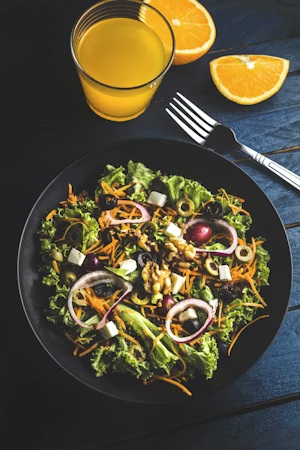
Mediterranean-Inspired Salads Drawing from Mediterranean dietary patterns, these salads typically include:
- Mixed greens base
- Fresh vegetables (tomatoes, cucumbers, peppers, onions)
- Olives providing healthy fats
- Feta or other cheeses in moderate amounts
- Olive oil-based dressings
- Often grilled chicken, fish, or chickpeas for protein
These combinations align with extensively researched Mediterranean dietary patterns associated with various health benefits.
Asian-Fusion Salads Incorporating Asian flavors and ingredients, these options often feature:
- Mixed greens or cabbage bases
- Grilled proteins with Asian marinades
- Nuts or seeds adding crunch and healthy fats
- Sesame-based or ginger dressings
- Often mandarin oranges, edamame, or other distinctive ingredients
When well-executed, these salads balance bold flavors with solid nutrition.
Classic Garden Variations Updated versions of traditional garden salads incorporating:
- Diverse greens beyond just iceberg lettuce
- Multiple vegetable varieties
- Substantial protein additions
- Quality dressings balancing flavor and nutrition
- Often nuts, seeds, or cheese for texture and satisfaction
Greek-Style Salads Traditional Greek salad elements adapted for complete meals:
- Tomatoes, cucumbers, onions, peppers
- Substantial feta cheese portions
- Kalamata olives
- Olive oil and oregano dressing
- Often with added grilled chicken or lamb for protein
Avoiding “Health Halo” Traps
Not everything labeled as healthy salads in Abu Dhabi delivers on that promise. Watch for:
Calorie-Dense Dressings Some salads appear healthy until dressing additions push total calories to 800-1000+. Creamy dressings, excessive amounts, or multiple dressing types can undermine otherwise nutritious salads.
Fried Add-Ons Fried chicken strips, fried wontons, fried tortilla strips, or similar additions fundamentally change salads’ nutritional profiles despite vegetable bases.
Excessive Cheese or Processed Meats While moderate cheese adds flavor and nutrition, some salads include amounts (100g+) that substantially increase calories and saturated fats. Similarly, processed meats like bacon or certain sausages affect overall healthfulness.
Minimal Protein Content Salads with tiny protein portions (under 20g) function poorly as complete meals regardless of how many vegetables they contain, typically leaving people hungry shortly after eating.
Cheap Salads Abu Dhabi: Quality on a Budget
The perception that healthy salads in Abu Dhabi must be expensive prevents many people from incorporating them regularly. Understanding how to find affordable options makes salad consumption economically sustainable.
What “Cheap” Means in Context
In Abu Dhabi’s dining landscape, cheap salads typically fall into the 25-35 AED range for complete meal-sized portions. While this exceeds fast food pricing, it remains reasonable compared to typical restaurant meals while delivering superior nutrition.
Strategies for Affordable Salad Access
Lunch Specials and Promotions Many restaurants offer lunch-specific salad deals at reduced pricing compared to dinner menu prices. These promotions often provide identical portions and quality at 20-30% reduced costs.
Meal Plan Subscriptions For people eating salads regularly, subscription options frequently offer substantial per-meal discounts. A salad costing 40 AED individually might drop to 28-32 AED through weekly or monthly plans, meaningful savings when ordering 5-10 salads weekly.
Simpler Preparations Elaborate salads with premium proteins (salmon, premium beef cuts) or extensive add-ons naturally cost more. Choosing simpler but still nutritious options, grilled chicken garden salads, Greek salads with added chicken, basic Caesar variations, typically reduces costs while maintaining solid nutrition.
Combination Strategies Some people balance budget by alternating: protein-heavy premium salads on training days, simpler salads on rest days, occasional home-prepared salads, creating average costs lower than eating out for every meal.
Finding Value in Abu Dhabi’s Salad Market
When evaluating cheap salads in Abu Dhabi, assess true value rather than just lowest price:
Protein Content vs. Cost A 28 AED salad with 35g protein provides better value than a 25 AED salad with 15g protein if protein is priority. Calculate cost per gram of protein alongside total meal cost.
Portion Sizes Some seemingly inexpensive salads prove less economical when portion sizes leave you unsatisfied and seeking additional food shortly after. Adequate portions preventing this scenario offer better actual value.
Ingredient Quality The cheapest options sometimes cut costs through lower-quality proteins, wilted vegetables, or minimal ingredient variety. Slightly higher-priced options using fresh ingredients often deliver substantially better satisfaction and nutrition, improving effective value.
Satisfaction and Consistency Salads you genuinely enjoy and that keep you satisfied encourage consistent healthy eating. The psychological and practical value of meals you want to eat rather than merely tolerate often justifies modest cost differences.
A healthy restaurant in Abu Dhabi like Nutrafi Kitchen demonstrates how to balance quality and accessibility, offering substantial protein salads ranging from 26 AED (Greek salad with feta) to 39 AED (chicken halloumi salad), with most protein-focused options in the 35-38 AED range, competitive pricing for complete meal salads providing 30-48g protein.
Practical Guide: Choosing the Right Salad for Your Needs
Different situations call for different salad approaches. Understanding how to match salads to specific contexts optimizes both satisfaction and nutrition.
Post-Workout Nutrition Salads
After training, prioritize:
- High protein content (35-45g minimum)
- Some carbohydrates for glycogen replenishment (quinoa, chickpeas, or sweet potato additions)
- Anti-inflammatory ingredients (leafy greens, berries if included, olive oil)
- Adequate calories (500-700 depending on workout intensity)
Ideal choices: Grilled chicken Caesar, steak salads with quinoa, salmon salads with substantial portions.
Weight Management Salads
When managing calorie intake:
- Adequate protein (30-40g to maintain muscle and satiety)
- High volume from vegetables for physical satisfaction
- Moderate healthy fats for satiety (not fat-free)
- Controlled calories (400-550 range typically works well)
Ideal choices: Grilled chicken garden salads, shrimp salads, Greek salads with added protein.
Convenience Lunch Salads
For quick work lunches:
- Portable formats if eating at desk
- Not overly messy (avoiding excessive dressing or wet ingredients)
- Balanced macros preventing afternoon crashes
- Satisfying enough to last until dinner
Ideal choices: Chicken Caesar, Mediterranean chicken, basic protein and greens combinations.
Budget-Conscious Regular Consumption
For frequent salad eating on budget:
- Simple but satisfying preparations
- Adequate protein without premium sources
- Focus on meal plan options for better per-meal costs
- Rotate between 3-4 affordable favorites preventing monotony
Ideal choices: Grilled chicken salads, garden salads with added protein, Greek salads with chicken, simple Caesar variations.
Salad Quality Indicators: What to Look For
Certain characteristics signal whether restaurants take salads seriously or treat them as afterthoughts.
Fresh Ingredient Signs
Greens Appearance Fresh salad greens should be crisp, vibrant in color, and free from browning edges or wilting. Restaurants maintaining quality source greens frequently and store properly.
Vegetable Quality Tomatoes should be firm and flavorful, not mealy or pale. Cucumbers crisp rather than soft. Peppers vibrant. These details indicate attention to ingredient freshness.
Protein Preparation Grilled proteins should show proper cooking, not dried out or overcooked, not undercooked or cold. Consistent preparation across orders signals quality standards.
Menu Design Indicators
Detailed Descriptions Comprehensive menu descriptions listing specific ingredients, protein weights, and preparation methods indicate restaurants taking salads seriously rather than offering generic options.
Nutritional Information Providing complete nutritional data, calories, protein, carbs, fats, demonstrates commitment to serving health-conscious customers seriously rather than just capitalizing on “healthy” marketing.
Customization Options Ability to modify salads, changing proteins, adjusting dressing amounts, adding extra protein, indicates flexible systems accommodating individual preferences rather than rigid pre-packaged approaches.
The Future of Salads in Abu Dhabi
Several trends are shaping how salads evolve in Abu Dhabi’s food scene:
Increased Protein Focus Growing fitness culture continues driving demand for high-protein salad options, encouraging restaurants to increase protein portions and clearly communicate protein content.
Customization Technology Digital ordering systems increasingly enable detailed salad customization, allowing customers to specify exact preferences for proteins, dressings, add-ons, and modifications.
Sustainability Considerations Rising interest in sustainable eating may influence salad offerings through increased local sourcing, seasonal ingredient emphasis, and reduced waste in preparation.
Expanded Cuisine Influences Beyond Mediterranean and American-style salads, expect increased variety drawing from Middle Eastern, Asian, and global culinary traditions while maintaining nutrition focus.
Meal Plan Integration More restaurants are likely to offer salad-focused meal plans, recognizing that people want convenience of regular salad delivery without daily ordering decisions.
Conclusion: Making Salads Work for Your Abu Dhabi Lifestyle
Salads in Abu Dhabi have evolved from afterthought side dishes to legitimate meal options capable of supporting diverse goals, from fitness nutrition to budget-conscious healthy eating to convenient lunch solutions. Understanding the landscape of protein salads, healthy options, and affordable choices enables you to incorporate salads strategically rather than defaulting to less nutritious alternatives.
The key lies in identifying what you need from salads, high protein for training support, balanced nutrition for general health, budget-friendly options for regular consumption and finding establishments delivering those specific qualities consistently. Abu Dhabi’s growing health-conscious dining scene increasingly provides options meeting these varied needs without compromising quality or satisfaction.
Whether you’re seeking protein-packed post-workout meals, convenient healthy lunches, or affordable everyday nutrition, the city’s salad landscape now offers solutions fitting virtually any requirement. The most successful approach involves identifying several reliable options you genuinely enjoy, understanding what nutritional value they provide, and incorporating them consistently in ways supporting your lifestyle and goals.
FAQ Section
Where can I find good protein salads in Abu Dhabi? Several restaurants now specialize in protein-focused salads, offering options with 30-50g protein from quality sources like grilled chicken, beef, or seafood. Look for establishments providing detailed nutritional information enabling informed choices.
Are healthy salads in Abu Dhabi expensive? Quality salads typically range 25-40 AED for meal-sized portions. While more than fast food, meal plan subscriptions and lunch specials often reduce per-meal costs significantly, making regular healthy salad consumption affordable.
What makes a salad healthy beyond just vegetables? Healthy salads balance adequate protein (25-40g), nutrient-dense vegetables, moderate healthy fats, and quality ingredients. They’re substantial enough to serve as complete meals, not just low-calorie options leaving you hungry.
Can salads work as post-workout meals? Yes, protein-rich salads with 35-45g protein effectively support muscle recovery. Adding some carbohydrates (quinoa, chickpeas, sweet potato) creates complete post-workout nutrition in convenient format.
How do I find cheap salads that are still nutritious in Abu Dhabi? Focus on simpler preparations with chicken rather than premium proteins, look for lunch specials and meal plan options, and evaluate value based on protein content and satisfaction rather than just lowest price.