Low fat meals serve various health and fitness objectives, from heart health support to calorie management to specific dietary preferences. In Abu Dhabi’s diverse food landscape, understanding what constitutes quality low fat meals and how to choose options that remain satisfying proves essential for sustainable healthy eating.
This guide explores effective approaches to low fat eating, how to identify quality options in Abu Dhabi, and strategies for making low fat meals work long-term.
Understanding Low Fat Nutrition
Fat contains 9 calories per gram compared to 4 calories per gram for protein and carbohydrates. This calorie density makes fat reduction an effective strategy for calorie control, though the approach requires balance to remain healthy and sustainable.
What Defines Low Fat Meals
Low fat meals typically contain 10-15 grams of fat or less per serving, deriving most calories from protein and carbohydrates. However, quality matters as much as quantity, the best low fat meals in Abu Dhabi emphasize lean proteins, whole grains, and vegetables rather than simply removing all fats.
Benefits of Low Fat Approaches
Calorie Control: Reducing fat naturally reduces calories since fat is calorie-dense. A meal with 10g fat versus 30g fat saves 180 calories, significant for weight management.
Heart Health Support: Lower saturated fat intake supports cardiovascular health for many people, particularly those managing cholesterol levels.
Digestive Comfort: Some individuals find lower fat meals easier to digest, experiencing less bloating or discomfort.
Macronutrient Flexibility: Limiting fat allows more calorie budget for protein and carbohydrates, beneficial for certain training or performance goals.
Effective Low Fat Meal Options
Several meal formats naturally align with low fat eating:
Grilled Lean Proteins with Vegetables
The foundation of most low fat meals:
- Grilled chicken breast (150g) with steamed vegetables: approximately 5-8g fat, 250-300 calories, 40g protein
- Grilled white fish with grilled vegetables: typically 3-6g fat, 220-280 calories, 35g protein
- Lean turkey breast with vegetable medley: around 4-7g fat, 240-290 calories, 38g protein
These combinations provide substantial protein and nutrients with minimal fat.
Protein-Rich Salads with Light Dressing
Salads built around lean proteins:
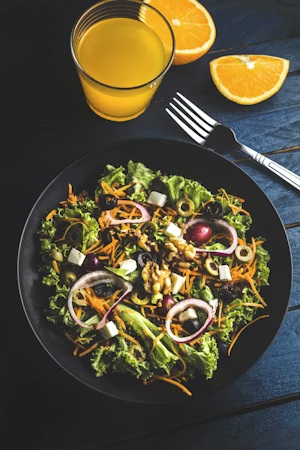
- Grilled chicken salad with balsamic vinaigrette (light): 8-12g fat, 300-400 calories, 40g protein
- Shrimp salad with lemon dressing: 6-10g fat, 280-350 calories, 35g protein
- White fish salad with citrus dressing: 7-11g fat, 290-360 calories, 33g protein
Using lighter dressings or smaller dressing amounts controls fat while maintaining flavor.
Lean Protein Bowls
Balanced bowls emphasizing lean proteins and grains:
- Chicken breast with brown rice and vegetables: 8-12g fat, 450-550 calories, 45g protein
- Lean beef (very lean cuts) with quinoa and vegetables: 10-14g fat, 480-580 calories, 42g protein
- Turkey bowl with sweet potato and greens: 6-10g fat, 420-520 calories, 40g protein
These provide complete nutrition within low fat parameters.
Egg White Options
For breakfast or any meal:
- Egg white omelet with vegetables: 2-5g fat, 180-250 calories, 25-30g protein
- Egg white scramble with lean turkey: 4-7g fat, 220-290 calories, 32g protein
Egg whites provide protein without the fat from yolks.
Finding Low Fat Meals in Abu Dhabi
When seeking low fat meals in Abu Dhabi, evaluate restaurants based on:
Preparation Methods
Cooking techniques dramatically affect fat content:
- Low fat methods: Grilling, baking, steaming, broiling
- Higher fat methods: Deep frying, heavy sautéing, cream-based sauces
Quality establishments clearly describe preparation, allowing identification of genuinely low fat options.
Protein Choices
Different proteins carry different fat levels:
- Lowest fat: Chicken breast, white fish, egg whites, very lean turkey
- Moderate fat: Lean beef cuts, salmon (higher but healthy fats)
- Higher fat: Fattier meat cuts, processed meats
Restaurants emphasizing lean proteins naturally offer better low fat options.
Sauce and Dressing Transparency
Sauces often hide substantial fat:
- Cream-based sauces: 15-30g fat
- Oil-heavy dressings: 10-20g fat per serving
- Lighter alternatives: 3-8g fat
Knowing sauce composition or having it served separately enables fat control.
Nutritional Information
Complete nutritional data showing exact fat grams enables verification that meals genuinely qualify as low fat rather than just appearing healthy.
Nutrafi Kitchen offers numerous low fat meal options built around grilled lean proteins, with complete nutritional transparency showing exact fat content. Their menu includes grilled chicken dishes, lean protein bowls, and salads with controlled fat content while maintaining flavor and satisfaction.
Balancing Low Fat with Other Nutrients
Maintain Adequate Protein
Low fat meals should still emphasize protein:
- Aim for 25-40g protein per meal
- Choose lean protein sources
- Don’t sacrifice protein to reduce fat
Protein provides satiety and supports muscle maintenance.
Don’t Eliminate Healthy Fats Completely
While reducing overall fat, include small amounts of healthy fats:
- Small portions of avocado (¼ avocado = 5g fat)
- Light olive oil in dressing (1 tablespoon = 14g)
- Nuts as garnish (small handful = 8-10g fat)
These support hormone production, vitamin absorption, and satiety.
Emphasize Complex Carbohydrates
With fat reduced, quality carbohydrates become more important:
- Brown rice, quinoa, sweet potato
- Whole grain options when available
- Vegetable-based carbohydrates
These provide sustained energy without excessive calories.
Include Abundant Vegetables
Vegetables add volume, nutrients, and satisfaction:
- Generous portions in main meals
- Variety of colors ensuring diverse nutrients
- Both raw and cooked for different textures
High vegetable content improves meal satisfaction despite lower fat.
Common Low Fat Mistakes
Going Too Low
Extremely low fat intake (under 20-30g daily) can cause:
- Hormone disruption
- Poor vitamin absorption (vitamins A, D, E, K)
- Constant hunger from inadequate satiety
- Unsustainable eating patterns
Better targets: 30-50g fat daily for most people, distributed across meals.
Replacing Fat with Sugar
Many processed “low fat” products add sugar compensating for fat removal. This defeats health purposes. Whole food low fat meals avoid this problem.
Neglecting Meal Satisfaction
Extremely low fat meals often lack satisfaction, leading to snacking or overeating later. Including moderate healthy fats improves adherence.
Fearing All Fats
Not all fats are equal. Healthy fats from fish, avocado, nuts, and olive oil provide benefits. Low fat eating should reduce excessive fats, not eliminate all fats.
Low Fat Meals for Different Goals
Weight Loss
Low fat approaches support weight loss through:
- Natural calorie reduction
- Ability to eat larger portions of protein and carbs
- Improved satiety from high protein emphasis
Effective when combined with adequate protein and moderate carbs.
Heart Health
For cardiovascular support:
- Reduced saturated fat intake
- Emphasis on lean proteins
- Increased vegetable consumption
Particularly beneficial for those managing cholesterol.
Athletic Performance
Some athletes reduce fat to maximize carbohydrate intake:
- More calories available for performance-supporting carbs
- Lighter meals before training or competition
- Faster digestion for some individuals
Timing lower fat meals around training can help performance.
Practical Implementation
Calculate Your Fat Target
General guidance:
- Weight loss: 30-50g fat daily
- Maintenance: 40-70g fat daily
- Athletic performance: 35-60g fat daily
Individual needs vary based on total calories and preferences.
Distribute Fat Across Meals
Rather than extremely low fat all day with one high-fat meal:
- 8-15g fat per meal creates consistency
- Prevents excessive hunger from any single very low fat meal
- Supports better nutrient absorption throughout day
Choose Lean Proteins Consistently
Making lean protein your default:
- Chicken breast over thighs
- White fish over fattier varieties (occasionally)
- Very lean beef cuts
- Egg whites or whole eggs in moderation
Creates naturally lower fat eating.
Control Cooking Fats
Even when cooking at home or ordering:
- Request grilled vs fried
- Ask for sauces on side
- Specify light oil usage
- Choose steamed or baked options
Small changes dramatically affect fat content.
Making Low Fat Sustainable
Include Favorite Foods Strategically
Complete elimination of higher-fat foods you enjoy often backfires. Better approaches:
- Plan occasional higher-fat meals
- Include small portions of favorites
- Focus on overall daily or weekly fat intake rather than perfection at every meal
Rotate Preparations
Prevent monotony through variety:
- Different lean proteins (chicken, fish, turkey)
- Various cooking methods within low fat options
- Different vegetable combinations
- Varied seasoning and flavoring
Monitor Satisfaction
If constantly hungry on low fat approach:
- Slightly increase healthy fats
- Ensure adequate protein
- Increase vegetable portions for volume
- Reassess whether extremely low fat is necessary
Conclusion
Low fat meals in Abu Dhabi, when properly constructed, provide effective support for various health and fitness goals. The key lies in choosing genuinely lean proteins, emphasizing vegetables, maintaining adequate protein, and including small amounts of healthy fats for satisfaction and nutrition.
Quality low fat meals differ dramatically from processed “fat free” products, they emphasize whole foods prepared using methods naturally limiting fat rather than chemically removing it. By focusing on grilled lean proteins, abundant vegetables, quality carbohydrates, and strategic inclusion of healthy fats, low fat eating becomes sustainable and satisfying.
Abu Dhabi’s health-conscious dining scene increasingly accommodates low fat preferences through restaurants offering grilled options, nutritional transparency, and meal formats supporting this approach. With proper planning and realistic expectations, low fat meals can effectively support your health objectives while remaining enjoyable long-term.