Low fat meals serve specific purposes for certain health goals and dietary preferences. In Abu Dhabi’s diverse food landscape, understanding what constitutes effective low fat eating, when it’s appropriate, and how to find quality options helps you make informed choices aligned with your objectives.
This guide explores the role of low fat meals, how to identify quality options in Abu Dhabi, and strategies for incorporating them effectively without sacrificing nutrition or satisfaction.
Understanding Low Fat Nutrition
Fat provides 9 calories per gram compared to 4 calories from protein or carbohydrates. This caloric density makes fat reduction an effective strategy for calorie control, though modern nutrition recognizes that not all fat should be minimized.
When Low Fat Meals Make Sense
Calorie Management: For individuals managing calorie intake for weight loss, reducing dietary fat naturally reduces total calories while allowing larger portions of protein and carbohydrates.
Specific Health Conditions: Certain medical conditions benefit from fat restriction, though this should be guided by healthcare professionals rather than arbitrary reduction.
Personal Preference: Some people simply prefer lighter meals with minimal fats, finding them easier to digest or more satisfying.
Athletic Timing: Pre-workout meals often benefit from lower fat content, as fats slow digestion potentially causing discomfort during training.
What Low Fat Doesn’t Mean
Low fat meals shouldn’t mean:
- Fat-free or extremely low fat (under 10g daily)
- Elimination of healthy fats beneficial for health
- Processed “low fat” products filled with sugars and additives
- Unsatisfying meals leaving you constantly hungry
Effective low fat approaches moderate fat intake rather than eliminating it completely.
Effective Low Fat Meal Composition
Quality low fat meals in Abu Dhabi balance fat reduction with adequate nutrition:
Protein Foundation
Low fat meals should emphasize lean protein sources:
- Grilled chicken breast (150-200g): 3-5g fat, 35-45g protein
- White fish portions (150-200g): 2-4g fat, 30-40g protein
- Egg whites or egg white omelets: minimal fat, high protein
- Lean turkey: similar profile to chicken breast
These proteins provide satiety and muscle support without excessive fat.
Carbohydrate Inclusion
With reduced fat, carbohydrates become more important for satisfaction and energy:
- Brown rice (150g cooked): less than 2g fat, 45g carbs
- Quinoa (150g): approximately 3g fat, 40g carbs
- Sweet potato (200g): less than 1g fat, 50g carbs
- Whole grain options: minimal fat, sustained energy
These provide energy and satisfaction within low fat parameters.
Vegetable Emphasis
Vegetables naturally contain minimal fat while providing volume, fiber, and nutrients:
- Steamed or grilled vegetables: virtually fat-free
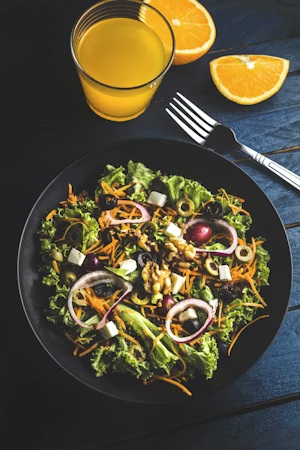
- Fresh salads with light dressing: controlled fat from dressing only
- Roasted vegetables with minimal oil: moderate fat content
Generous vegetable portions increase meal satisfaction without adding significant fat.
Strategic Fat Inclusion
Even low fat meals benefit from modest healthy fat amounts:
- Small portions of avocado (¼ avocado): 7-8g healthy fats
- Light olive oil in dressings (1 teaspoon): 5g fat
- Small amounts of nuts or seeds: concentrated nutrition
These moderate additions improve satisfaction and nutrient absorption without excessive calories.
Popular Low Fat Meal Options
Several formats work well for low fat eating:
Grilled Lean Protein with Vegetables
Simple combinations minimizing fat:
- Grilled chicken breast with steamed vegetables and rice: 400-500 calories, 5-8g fat
- Grilled white fish with vegetables and quinoa: 350-450 calories, 4-7g fat
- Turkey breast with sweet potato and greens: 400-500 calories, 5-8g fat
These provide complete nutrition with minimal fat content.
Light Protein Salads
Salads emphasizing vegetables and lean proteins:
- Grilled chicken salad with light dressing: 350-450 calories, 8-12g fat (from light dressing)
- Shrimp and vegetable salads: 300-400 calories, 6-10g fat
- Turkey salad with balsamic vinaigrette: 350-450 calories, 8-12g fat
Fat content comes primarily from light dressings rather than protein sources.
Lean Protein Bowls
Balanced bowls with controlled fat:
- Chicken and rice bowl with vegetables: 450-550 calories, 8-12g fat
- Fish bowl with quinoa: 400-500 calories, 7-10g fat
- Lean protein bowl with grain base: 450-550 calories, 8-12g fat
Complete meals providing satisfaction within low fat parameters.
Finding Quality Low Fat Meals
When seeking low fat meals in Abu Dhabi, evaluate based on:
Preparation Methods
Cooking techniques significantly impact fat content:
- Grilling, baking, steaming: minimal added fat
- Light sautéing: controlled fat amounts
- Avoid: deep frying, heavy cream sauces, excessive oil
Quality establishments clearly communicate preparation methods.
Nutritional Transparency
Complete nutritional information including fat content enables informed choices. Without detailed data, you’re guessing about actual fat levels.
Whole Food Focus
Meals built from whole ingredients, lean proteins, vegetables, quality grains, provide better nutrition than processed “low fat” products often high in sugars or additives.
Adequate Portions
Low fat meals should still satisfy for 3-4 hours. Tiny portions defeating hunger management prove counterproductive regardless of fat content.
Nutrafi Kitchen offers numerous low fat meal options with complete nutritional transparency. Their grilled protein dishes, lean bowls, and vegetable-rich meals provide satisfying nutrition with controlled fat content, detailed macros enabling precise tracking for those managing fat intake.
Common Low Fat Mistakes
Going Too Low
Extremely low fat intake (under 20-30g daily) can cause:
- Hormone disruption
- Poor nutrient absorption (vitamins A, D, E, K require fat)
- Constant hunger
- Decreased satisfaction from meals
Better approaches maintain moderate fat intake (40-60g daily for most people).
Replacing Fat with Sugar
Many commercial “low fat” products replace fat with sugars and additives, creating worse nutritional profiles. Whole food low fat meals avoid this trap.
Eliminating Healthy Fats
Not all fats should be minimized. Omega-3 fatty acids, monounsaturated fats from olive oil or avocado provide health benefits worth including even in lower fat approaches.
Ignoring Satiety
Fat contributes to meal satisfaction. Extremely low fat meals often leave people hungry shortly after eating, leading to snacking that negates calorie savings.
Neglecting Protein
Reducing fat while also shortchanging protein creates unsatisfying meals. Low fat approaches should emphasize protein to compensate for reduced fat satiety.
Balancing Low Fat with Other Priorities
Weight Management Context
For weight loss, low fat meals work when they create sustainable calorie deficits. However, moderate fat approaches (40-60g daily) often prove equally effective with better satisfaction.
Athletic Performance
Athletes might reduce fat in pre-workout meals for digestive comfort while including moderate fats at other meals supporting overall health.
Long-Term Sustainability
Extremely restrictive low fat eating proves difficult to maintain indefinitely. Moderate approaches prove more sustainable for most people.
Practical Implementation
Calculate Appropriate Fat Intake
Rather than minimizing fat arbitrarily, calculate reasonable targets:
- Weight loss: 0.6-0.8g fat per kg body weight (45-60g for 75kg person)
- Maintenance: 0.8-1.2g per kg (60-90g for 75kg person)
- Performance: May vary based on training demands
Choose Lean Proteins
Emphasize naturally lean protein sources:
- Chicken breast over thighs
- White fish over fatty fish for some meals
- Egg whites alongside whole eggs
- Lean beef cuts when eating beef
Control Added Fats
Monitor oil, butter, dressings, and other added fats:
- Measure oil portions when cooking
- Choose light dressings
- Use cooking spray instead of oil when possible
- Be mindful of nuts and seeds portions (calorie-dense)
Don’t Fear All Fats
Include strategic healthy fats:
- Omega-3 sources (fatty fish occasionally)
- Small avocado portions
- Light olive oil use
- Moderate nuts/seeds
When to Reconsider Low Fat Approaches
Certain signals suggest low fat eating may be too restrictive:
Constant Hunger: Persistent hunger despite adequate calories suggests insufficient fat for satiety
Hormone Disruption: Irregular cycles or other hormonal issues may relate to insufficient dietary fat
Poor Nutrient Absorption: Deficiencies in fat-soluble vitamins suggest inadequate fat intake
Unsustainability: If the approach feels unsustainable, it probably is
Alternative Perspectives
Modern nutrition increasingly recognizes that fat quality matters more than quantity for most people. Unless specifically reducing fat for medical reasons or clear personal benefits, balanced approaches including moderate healthy fats often work as well or better than strict low fat eating.
Consider whether true low fat eating serves your goals or whether moderate fat intake with emphasis on quality sources might prove more effective and sustainable.
Conclusion
Low fat meals in Abu Dhabi serve specific purposes within broader nutritional approaches. When implemented thoughtfully, emphasizing lean proteins, whole food carbohydrates, generous vegetables, and strategic modest fat inclusion, they support goals from weight management to athletic timing to personal preference.
The key lies in avoiding extreme fat restriction, maintaining adequate protein and overall nutrition, and ensuring meals remain satisfying enough to sustain adherence. Quality low fat options focus on preparation methods naturally limiting fat rather than relying on processed “low fat” products of questionable nutritional value.
By understanding when low fat approaches make sense, how to implement them effectively, and where to find quality options in Abu Dhabi, you can incorporate lower fat eating strategically when it serves your objectives without falling into common pitfalls of extreme restriction.