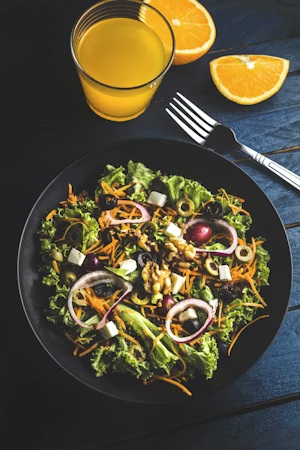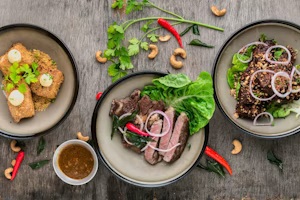

Finding quality low calorie meals in Abu Dhabi that actually satisfy and taste good presents a common challenge for people managing their weight or pursuing fitness goals. The good news is that Abu Dhabi’s evolving food scene now offers numerous options for calorie-conscious eating without resorting to bland, unsatisfying meals.
This guide explores what makes low calorie meals effective, how to find quality options in Abu Dhabi, and strategies for incorporating them into sustainable eating patterns.
Understanding Low Calorie Meals
Low calorie meals typically contain 300-500 calories per serving, making them suitable for people managing daily calorie intake for weight loss or maintenance. However, calorie count alone doesn’t determine meal quality or effectiveness.
What Makes Effective Low Calorie Meals
The best low calorie meals in Abu Dhabi share several characteristics beyond just reduced calories:
Adequate Protein Content: Quality low calorie options include 25-35 grams of protein per meal. This protein content maintains muscle mass during weight loss, provides satiety lasting several hours, and prevents the hunger that often undermines calorie-restricted eating.
Nutrient Density: Effective low calorie meals maximize nutrition within limited calories. This means emphasizing vegetables, lean proteins, and whole food sources rather than simply creating smaller portions of less nutritious options.
Satisfaction Factor: Meals that leave you hungry an hour later ultimately fail, often leading to snacking that negates calorie savings. Quality low calorie meals provide sufficient volume, protein, and healthy fats to maintain satisfaction between meals.
Practical Sustainability: The best low calorie approach is one you can maintain consistently. Extremely restrictive meals you merely tolerate create patterns you’ll eventually abandon.
Popular Low Calorie Meal Options
Several meal formats work particularly well for calorie-conscious eating in Abu Dhabi:
Grilled Protein with Vegetables
One of the most straightforward low calorie approaches combines lean grilled protein with generous vegetable portions:
- Grilled chicken breast (150g) with steamed or grilled vegetables: approximately 250-300 calories with 35-40g protein
- Grilled fish with vegetable medley: typically 280-350 calories with 30-35g protein
- Lean grilled beef with mixed vegetables: around 350-400 calories with 35-40g protein
These simple combinations maximize protein and nutrients while naturally limiting calories through lean protein choices and vegetable emphasis.
Protein-Focused Salads
Substantial salads built around lean proteins create satisfying low calorie meals:
- Grilled chicken salad with mixed greens and light dressing: 300-400 calories with 35-40g protein
- Shrimp and vegetable salads: typically 250-350 calories with 30-35g protein
- Tuna-based salads with abundant vegetables: around 300-400 calories
The key is ensuring adequate protein while using lighter dressings or smaller dressing amounts to control total calories.
Light Bowls and Wraps
Balanced bowls or wraps using portion control can deliver nutrition within calorie limits:
- Grilled chicken bowl with cauliflower rice and vegetables: 350-450 calories
- Protein wraps using whole grain tortillas with generous vegetables: 400-500 calories
- Fish bowls with quinoa (small portion) and vegetables: 400-500 calories
These options provide variety while maintaining calorie consciousness through controlled portions of higher-calorie components like grains.
Finding Low Calorie Meals in Abu Dhabi
When seeking low calorie meals in Abu Dhabi, several factors help identify reliable sources:
Nutritional Transparency
Quality establishments provide complete nutritional information, calories, protein, carbohydrates, and fats, for every menu item. This transparency enables accurate calorie tracking essential for weight management goals.
Without detailed nutritional data, you’re essentially guessing about calorie content, which undermines the entire purpose of choosing low calorie meals.
Quality Over Just “Low Calorie”
Some restaurants offer extremely low calorie options (under 300 calories) that sound appealing but prove unsustaining. These meals often leave you hungry quickly, leading to additional eating that negates calorie savings.
Better options provide 350-500 calories with substantial protein and vegetables, enough to satisfy while still supporting calorie deficits for weight loss.
Preparation Methods
How food is prepared dramatically affects calorie content. Grilled, baked, or steamed preparations keep calories reasonable, while fried options or heavy cream sauces add substantial calories.
Restaurants specializing in healthy food typically emphasize cooking methods that preserve nutrition while controlling calories naturally.
Nutrafi Kitchen offers numerous low calorie meal options with complete nutritional transparency. Their menu includes grilled chicken dishes, protein salads, and balanced bowls designed to support weight management while providing genuine satisfaction and adequate nutrition.
Strategies for Success with Low Calorie Eating
Prioritize Protein
Within your calorie budget, prioritize protein. A 400-calorie meal with 35g protein will keep you satisfied far longer than a 400-calorie meal with 15g protein, even though calories are identical.
This protein emphasis prevents the constant hunger that makes low calorie eating unsustainable for many people.
Don’t Fear All Fats
While fats contain more calories per gram than protein or carbohydrates, moderate healthy fats improve meal satisfaction. A small amount of olive oil in dressing or avocado in a salad adds minimal calories while significantly improving satiety.
Extremely low-fat meals often prove less satisfying, increasing likelihood of overeating later.
Volume Matters
Substantial vegetable portions add volume and nutrients with minimal calories. This physical fullness helps satisfaction despite calorie restriction.
Quality low calorie meals emphasize generous vegetable servings rather than just minimizing everything.
Consistency Over Perfection
Eating low calorie meals 5-6 days weekly while being more flexible occasionally creates better results than attempting perfect adherence that you eventually abandon.
Sustainable patterns beat perfect short-term restriction.
Common Mistakes to Avoid
Going Too Low
Extremely low calorie intake (under 1,200-1,500 calories daily for most people) often backfires through:
- Metabolic adaptation slowing calorie burn
- Muscle loss from inadequate protein and calories
- Unsustainable hunger leading to eventual overeating
- Nutrient deficiencies affecting health and energy
Better approaches target moderate deficits (300-500 calories below maintenance) that can be sustained long-term.
Ignoring Meal Timing
Spacing low calorie meals appropriately throughout the day helps maintain steady energy and prevents excessive hunger. Three 400-500 calorie meals often works better than one large meal and tiny snacks.
Neglecting Taste
Forcing yourself to eat meals you don’t enjoy creates patterns you’ll abandon. Quality low calorie meals in Abu Dhabi prove that calorie consciousness doesn’t require sacrificing flavor or satisfaction.
Making Low Calorie Eating Sustainable
Long-term success requires building patterns you can maintain indefinitely:
Identify Reliable Sources
Find 3-5 low calorie meal options you genuinely enjoy from reliable restaurants or prepare at home. Rotate these regularly rather than trying to eat differently every day.
Track Initially, Then Maintain
Initially tracking calories helps you understand portion sizes and make informed choices. Once familiar with your regular meals’ calorie content, detailed tracking becomes less necessary.
Allow Flexibility
Rigid adherence to low calorie eating every single day proves unsustainable for most people. Building in planned higher-calorie meals or days prevents the restriction-binge cycle many experience.
Focus on Non-Scale Victories
Beyond weight changes, notice energy improvements, how clothes fit, strength gains, or health markers. These victories help maintain motivation when scale progress stalls.
Conclusion
Low calorie meals in Abu Dhabi have evolved beyond the bland, unsatisfying options of the past. Today’s health-focused restaurants understand how to create meals that support calorie management while delivering genuine nutrition, satisfaction, and flavor.
The key to success lies not in finding the lowest calorie options possible, but in identifying meals that balance calorie consciousness with adequate protein, nutrient density, and satisfaction, creating patterns you can maintain long-term rather than endure briefly.
By choosing quality low calorie meals from reliable sources, maintaining reasonable calorie targets rather than extreme restriction, and building sustainable patterns rather than pursuing perfection, you create the foundation for lasting weight management success.