Clean eating emphasizes whole, minimally processed foods in their most natural state. For residents of Abu Dhabi seeking restaurants aligned with this philosophy, understanding what defines genuine clean eating and how to identify quality establishments proves essential for maintaining healthy eating patterns.
This guide explores what characterizes a true clean eating restaurant in Abu Dhabi, key indicators of quality, and how to choose options genuinely supporting whole food nutrition.
Understanding Clean Eating Principles
Clean eating isn’t a specific diet but rather a food quality philosophy emphasizing natural, whole ingredients over processed alternatives.
Core Clean Eating Principles
Whole Food Foundation: Clean eating restaurants prioritize ingredients in forms as close to natural as possible, fresh vegetables, quality proteins, whole grains, rather than heavily processed products.
Minimal Processing: While some processing is inevitable in restaurant cooking, clean eating emphasizes preparation methods preserving food’s natural state rather than transforming it unrecognizably.
Natural Ingredients: Avoiding artificial additives, preservatives, colorings, and flavorings. Clean eating restaurants rely on natural ingredients and cooking techniques for flavor rather than chemical enhancements.
Ingredient Transparency: Quality establishments openly communicate about ingredient sources, preparation methods, and food origins, demonstrating commitment to food quality beyond marketing claims.
Balanced Nutrition: Clean eating doesn’t eliminate macronutrients but emphasizes quality sources, lean proteins, complex carbohydrates, healthy fats from whole food sources.
What Defines a Clean Eating Restaurant
Not every establishment claiming to be healthy qualifies as a true clean eating restaurant in Abu Dhabi. Several characteristics distinguish genuine clean eating establishments:
Fresh Ingredient Sourcing
True clean eating restaurants prioritize:
- Fresh vegetables over frozen or canned when possible
- Quality proteins without extensive processing
- Regular ingredient delivery maintaining freshness
- Seasonal ingredient rotation reflecting availability
Ingredient freshness directly impacts both nutrition and how closely food resembles its natural state.
Simple Preparation Methods
Clean eating emphasizes cooking techniques preserving ingredient integrity:
- Grilling without excessive marinades or sauces
- Steaming vegetables to maintain nutrients
- Baking rather than deep frying
- Light sautéing with quality oils like olive or avocado oil
These methods enhance natural flavors rather than masking them.
Minimal Additives
Quality clean eating restaurants avoid:
- Artificial preservatives extending shelf life
- Synthetic flavorings compensating for ingredient quality
- Unnecessary colorings or additives
- Excessive sodium beyond natural seasoning
Natural herbs, spices, citrus, and quality ingredients provide flavor without artificial enhancements.
Transparent Sourcing
Establishments serious about clean eating can discuss:
- Where proteins come from
- Sourcing of produce
- Oil types used in preparation
- Ingredient quality standards
This transparency demonstrates genuine commitment rather than superficial marketing.
Benefits of Clean Eating Restaurants
Choosing clean eating restaurants in Abu Dhabi offers several advantages:
Reduced Chemical Exposure
Minimizing processed foods naturally reduces consumption of preservatives, artificial ingredients, and other chemicals whose long-term health impacts remain uncertain.
Better Nutrient Density
Whole foods typically provide superior nutrient profiles compared to processed alternatives. Fresh vegetables deliver more vitamins and minerals than canned equivalents; quality proteins offer better amino acid profiles than processed meats.
Natural Satiety
Whole food meals often provide better satisfaction than processed alternatives, partly through natural fiber, protein, and fat combinations that regulate hunger effectively.
Digestive Benefits
Many people find whole food diets easier to digest than heavily processed alternatives, experiencing improved digestive comfort and regularity.
Energy Stability
Natural whole foods typically provide more stable energy than processed alternatives, avoiding the spikes and crashes associated with refined ingredients.
Finding Quality Clean Eating Options
When seeking a clean eating restaurant in Abu Dhabi, evaluate based on:
Menu Descriptions
Quality establishments describe preparation methods clearly:
- “Grilled chicken breast with steamed vegetables”
- “Baked salmon with quinoa and roasted vegetables”
- “Fresh salad with olive oil dressing”
Detailed descriptions indicate attention to food preparation and willingness to communicate methods.
Ingredient Lists
Better clean eating restaurants can provide ingredient lists when requested, demonstrating transparency about exactly what goes into meals.
Visual Appearance
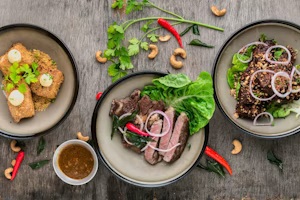
Food appearance often reveals preparation philosophy. Meals looking like recognizable whole foods, clearly identifiable vegetables, properly grilled proteins, suggest clean eating alignment more than heavily sauced or processed-looking dishes.
Kitchen Visibility
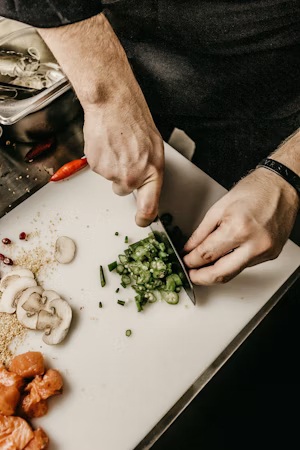
Restaurants with open or visible kitchens often demonstrate greater confidence in preparation methods and ingredient quality.
Nutrafi Kitchen exemplifies clean eating principles through emphasis on fresh ingredients, simple preparation methods like grilling and baking, and complete transparency about nutritional content. Their menu features whole food combinations, grilled proteins with vegetables, fresh salads, balanced bowls, prepared using natural cooking techniques without excessive processing.
Common Clean Eating Menu Options
Several meal formats align well with clean eating philosophy:
Grilled Protein Plates
Simple combinations of grilled protein with vegetables:
- Grilled chicken breast with steamed broccoli and sweet potato
- Baked salmon with asparagus and quinoa
- Grilled beef with mixed grilled vegetables
These straightforward preparations showcase ingredient quality.
Fresh Salads
Salads built from whole ingredients:
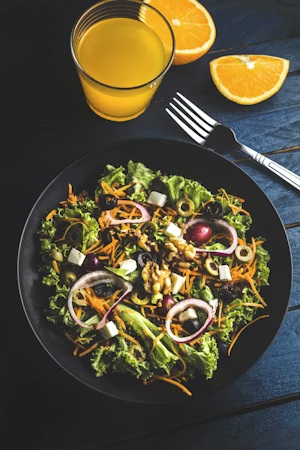
- Mixed greens with grilled chicken, vegetables, and olive oil dressing
- Greek salad with fresh vegetables and feta
- Protein salads emphasizing whole food components
Quality salads avoid processed toppings like fried items or artificial dressings.
Balanced Bowls
Complete meals combining whole food elements:
- Brown rice bowls with grilled protein and vegetables
- Quinoa bowls with varied vegetable combinations
- Clean protein bowls with natural ingredient combinations
These provide balanced nutrition through whole food sources.
What to Avoid
Certain characteristics suggest restaurants prioritizing convenience over clean eating principles:
Extensive Menu Processing
Menus dominated by fried items, heavy cream sauces, or elaborate preparations often indicate more processing than clean eating philosophy typically accepts.
Mysterious Ingredients
Sauces or preparations with vague descriptions may contain additives, preservatives, or processed ingredients inconsistent with clean eating.
Inability to Discuss Sourcing
Restaurants unable or unwilling to discuss ingredient sources may not prioritize quality aligned with clean eating standards.
Overly Shelf-Stable Items
Foods with unusually long shelf life often contain preservatives inconsistent with clean eating philosophy.
Balancing Clean Eating with Practical Life
While clean eating offers benefits, rigid adherence creates challenges:
Social Flexibility
Complete clean eating in all social situations proves difficult. Better approaches maintain clean eating standards for regular meals while allowing reasonable flexibility for social occasions.
Practical Sustainability
Perfect clean eating requires significant effort. Focusing on clean eating for most meals (80-90%) while allowing occasional flexibility creates more sustainable patterns.
Budget Considerations
Quality ingredients often cost more than processed alternatives. Finding clean eating restaurants with reasonable pricing makes regular adherence economically feasible.
Time Management
For busy Abu Dhabi professionals, accessing clean eating through quality restaurants saves the substantial time required for sourcing and preparing whole food meals at home.
Clean Eating Misconceptions
Several common misunderstandings surround clean eating:
All Processing Is Bad
Minimal processing, washing vegetables, grinding grains, cooking proteins, is necessary and acceptable. Clean eating opposes excessive processing transforming food unrecognizably, not all food preparation.
Clean Eating Means Low Calorie
Clean eating emphasizes food quality over calorie quantity. Whole food meals can be calorie-dense or light depending on portions and ingredients.
Organic Is Required
While some clean eaters prefer organic, it’s not mandatory. Focusing on whole foods, even conventional produce, aligns with clean eating better than processed organic products.
No Restaurant Can Be Clean
Quality restaurants committed to whole food ingredients and simple preparation methods can absolutely align with clean eating philosophy.
Making Clean Eating Work in Abu Dhabi
Identify Reliable Sources
Find 2-3 clean eating restaurants you trust and rotate between them for regular meals. This creates consistency without requiring constant research.
Communicate Preferences
Many restaurants accommodate requests for simple preparations, grilled instead of fried, dressing on side, minimal sauces. Don’t hesitate to request modifications.
Plan Ahead
Knowing which restaurants offer clean eating options prevents defaulting to less suitable choices when hungry and rushed.
Balance Ideals with Reality
Striving for mostly clean eating with occasional flexibility proves more sustainable than rigid perfectionism.
Conclusion
Finding a clean eating restaurant in Abu Dhabi that genuinely prioritizes whole foods, minimal processing, and ingredient quality requires looking beyond marketing claims to evaluate actual practices. Quality establishments demonstrate commitment through transparent sourcing, simple preparation methods, fresh ingredient emphasis, and willingness to communicate about food origins and preparation.
The growing health consciousness in Abu Dhabi has encouraged development of restaurants truly committed to clean eating principles, making it increasingly feasible to maintain whole food nutrition without constant home cooking. By understanding what characterizes genuine clean eating and how to identify quality establishments, you can build sustainable eating patterns supporting health through natural, minimally processed nutrition.