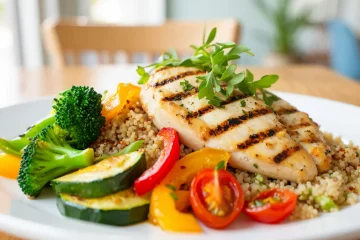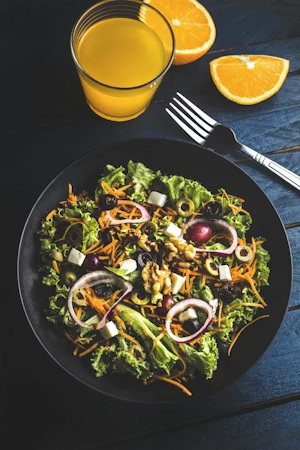

Almost everyone in a gym changing room in Abu Dhabi has heard the word “macros”, and a surprising number of them nod along without being completely sure what it means. Someone says they are “hitting their macros”, someone else says they “blew their carbs”, and a third person announces that dinner was “all protein”. It sounds like a language for experts, which is exactly why so many beginners quietly give up before they start. The good news is that macros for beginners in Abu Dhabi come down to three ideas, and you can understand all of them in about ten minutes.
This guide strips away the jargon. It explains what macros are, why they matter more than calories alone, how to estimate a sensible starting point, and how to build real meals around them without weighing every grain of rice. No apps are required, and nothing here asks you to give up the foods you enjoy.
What Are Macros, Really?
Macros is short for macronutrients, the three nutrients your body needs in large amounts: protein, carbohydrates, and fat. Every calorie you eat comes from one of these three (alcohol aside). Protein and carbohydrates each provide roughly four calories per gram, while fat provides about nine. That single fact explains why a small handful of nuts can carry more calories than a large bowl of vegetables.
Calories tell you how much energy a meal contains. Macros tell you what kind of energy it is, and that changes how full you feel, how steady your energy is, and what your body does with the food. Two meals with identical calories can leave you feeling completely different, which is why a balanced plate beats a calorie number on its own. A clear real world example of this is laid out in this macro comparison of healthy food versus fast food in Abu Dhabi, where meals of similar size turn out to be very different once the macros are visible.
Protein: The Building and Keeping Nutrient
Protein repairs and builds muscle, supports your immune system, and is the most filling of the three macros. If you have ever eaten a big pasta lunch and been hungry again at four, the missing piece was probably protein. Good sources include chicken, fish, eggs, lean beef, Greek yoghurt, lentils, chickpeas, and tofu.
Most beginners eat less protein than they think, especially at breakfast and lunch. A useful habit is to anchor every meal around a palm sized portion of protein before you think about anything else. For ideas on what that looks like on a plate, this guide to high-protein meals in Abu Dhabi shows realistic portions rather than gym fantasy plates.
Carbohydrates: Fuel, Not the Enemy
Carbohydrates are your body’s preferred fuel, especially for the brain and for exercise. The problem was never carbohydrates as a category, it is the type and the amount. Whole grains, oats, fruit, potatoes, beans, and rice release energy gradually, while sugary drinks, pastries, and white bread hit fast and fade fast.
Think of carbohydrates as a dial rather than a switch. More active days call for more, quieter days call for less. If you are curious about the very low end of that dial, this guide to keto-friendly, low-carb meals in Abu Dhabi explains who it suits and who it does not.
Fat: Smaller Portion, Bigger Job
Fat supports hormones, helps you absorb vitamins A, D, E, and K, and makes food taste good. The useful split is between unsaturated fats, found in olive oil, avocado, nuts, seeds, and oily fish, and the heavier saturated and fried fats that tend to dominate fast food. Because fat is calorie dense, portion size matters here more than anywhere else. A tablespoon of oil is helpful, three tablespoons quietly doubles the calories of a dish.
If you want to see how lighter cooking works without losing flavour, this guide to low-fat meals in Abu Dhabi is a practical reference.
Why Calories Alone Are Not Enough
Counting calories only tells you the size of the budget. Macros tell you how to spend it. Someone eating 1,800 calories mostly from refined carbohydrates and sugar will usually feel hungrier, more tired, and less satisfied than someone eating 1,800 calories built around protein, fibre, and healthy fat. This is the reason balanced meals tend to be easier to stick to than strict calorie targets.
If your goal is fat loss, the calorie budget still matters, and a balanced plate makes staying inside it much more comfortable. This guide to low-calorie meals in Abu Dhabi shows what lighter meals look like when protein stays high.
How Much Do You Actually Need? A Simple Starting Point
Exact numbers depend on your age, size, activity level, and health, so treat anything below as a general starting range rather than a prescription. Many adults do well with roughly 25 to 35 percent of calories from protein, 40 to 50 percent from carbohydrates, and 20 to 30 percent from fat. A person who trains hard may lean higher on protein and carbohydrates, while someone with a sedentary job may trim carbohydrates slightly.
A simpler method that skips the arithmetic is the plate model. Fill about a quarter of your plate with protein, a quarter with smart carbohydrates, half with vegetables, and add a thumb of healthy fat. For anyone with a medical condition, pregnancy, or a history of disordered eating, it is best to set targets together with a doctor or registered dietitian instead.
Macros for Different Goals
The right balance shifts with what you are trying to achieve, and this is where beginners often copy a friend’s plan that does not fit their own goal.
Fat loss. Keep protein high so you hold on to muscle while eating a little less overall, and fill the rest of the plate with fibre rich vegetables. A good reference for how this looks day to day is this guide to weight loss meals in Abu Dhabi.
Muscle gain. You need a modest calorie surplus, plenty of protein, and enough carbohydrates to fuel hard training. This guide to muscle gain meals in Abu Dhabi covers how to scale portions up without eating junk to get there.
General health. Most people simply benefit from a steady, balanced plate, with no need to track anything obsessively. The same plate model works for energy, mood, and long term health.
Do You Need to Count Everything?
No. Counting is a learning tool, not a life sentence. Many people track for two or three weeks to calibrate their eyes, then switch to hand portions and the plate model. Tracking is useful when you are learning what a 150 gram chicken breast actually looks like, or discovering that your morning latte and granola account for more sugar than you expected. It is less useful, and sometimes harmful, if it makes eating stressful. If counting starts to feel consuming, step back.
Common Beginner Mistakes
Ignoring protein at breakfast. A pastry and coffee gives you almost none, which sets up cravings by mid morning.
Fearing carbohydrates. Cutting them too low usually leads to low energy, poor workouts, and an eventual binge.
Trusting “healthy” labels. A granola, a wrap, or a smoothie can carry far more sugar and fat than you would guess. Reading the numbers matters more than the marketing, and this guide to what makes a restaurant genuinely healthy in Abu Dhabi explains how to spot the real thing.
Forgetting liquid calories. Juices, flavoured coffees, and sweetened teas can add several hundred calories a day without feeling like food.
Changing everything at once. Pick one habit, such as adding protein to breakfast, and hold it for two weeks before adding another.
Eating Macro Balanced Meals in Real Life in Abu Dhabi
Knowing the theory is easy, applying it on a Tuesday when you are tired and hungry is harder. Abu Dhabi adds its own twists: long work days, hot weather that makes cooking unappealing, and a food scene full of tempting but heavy options.
Here is how a balanced day can look in practice. Breakfast might be eggs with whole grain toast and fruit, or Greek yoghurt with oats and nuts. Lunch could be grilled chicken, rice, and a large salad. Dinner might be baked fish with roasted vegetables and potatoes. A snack could be fruit with a handful of almonds. Nothing about it is exotic, and all of it fits the three macros comfortably.
Even familiar local favourites can work. A traditional rice dish becomes macro balanced when the portion of rice is measured, the protein is lean, and the vegetables are generous, as shown in this healthy chicken biryani recipe built around macros. It is a reminder that eating well does not mean abandoning the food you grew up with.
Macros Around Exercise
Training changes what your body needs and when. Protein after a workout supports repair, and carbohydrates help restore the energy you used. You do not need a stopwatch or a special shake, simply eating a balanced meal within a couple of hours is enough for most people. This guide to post-workout meals in Abu Dhabi explains the timing in plain terms, and the broader piece on healthy food for gym goers in Abu Dhabi covers how to eat across a full training week.
Managing Blood Sugar With Macros
Pairing carbohydrates with protein, fibre, and fat slows how quickly glucose enters your blood, which gives steadier energy and fewer crashes. This is one of the most practical reasons to think in macros. People managing diabetes or prediabetes should follow their doctor’s guidance, and this overview of diabetic-friendly, low-sugar meals in Abu Dhabi explains the general principles behind balanced plates.
Salads, Bowls, and Quick Meals as Macro Tools
Bowls and salads are the easiest format for macro balance because every component is visible. Choose a protein, a smart carbohydrate, plenty of vegetables, and a measured dressing, and the macros largely take care of themselves. This complete salad guide for Abu Dhabi shows how to build bowls that stay filling rather than leaving you hungry. For busy evenings, these healthy quick meals in Abu Dhabi prove balance does not need an hour in the kitchen.
Planning Ahead Makes It Easy
The single biggest advantage beginners can give themselves is planning. When meals are decided in advance, the macros take care of themselves, because you are no longer improvising when you are hungry. A weekly structure also helps with shopping and with avoiding the last minute fast food order.
If you would rather skip the planning altogether, a well designed plan does the work for you. This guide to fitness meal plans in Abu Dhabi explains what to look for, and you can also search for a healthy meal plan near you in Abu Dhabi to see what is available locally. On workdays, healthy lunch delivery near you is often the simplest fix, since lunch is where most people lose the plot.
A Quick Recap
If you remember only five things, make them these. Protein keeps you full and protects muscle. Carbohydrates are fuel, and the type matters. Fat is useful in small, measured amounts. Calories set the budget while macros decide how it feels. And a balanced plate beats a perfect spreadsheet that you abandon after a week.
Start small. Add protein to your next meal, swap one sugary drink for water or unsweetened tea, and notice how your energy changes. Those two moves alone put most beginners ahead of where they began.
Where to Go From Here
Understanding macros is the first step, applying them consistently is the part that changes your results. Nutrafi Kitchen builds every meal around balanced macros and shows the numbers upfront, so you can learn what good portions look like while eating food that actually tastes great, delivered to your door in Abu Dhabi.